
Gyan Management


1Asian Business School, Noida, Uttar Pradesh, India

Creative Commons Non Commercial CC BY-NC: This article is distributed under the terms of the Creative Commons Attribution-NonCommercial 4.0 License (http://www.creativecommons.org/licenses/by-nc/4.0/) which permits non-Commercial use, reproduction and distribution of the work without further permission provided the original work is attributed.
Digital technologies are transforming and disrupting traditional business models; furthermore, they have a profound impact on traditional business models. By using digital tools in every part of their business, companies can perform more accurately, economic efficiency or reduce costs, and provide customers better value or satisfaction.
As the industry opens up new business opportunities, companies must adapt to new realities. This study analyse how digital transformation will impact future business performance and customer satisfaction. Digital technology has opened up new ways for businesses to interact with customers through social media, email, and paid advertising. Whereas before, businesses simply delivered goods to customers in need and made a few bucks, they are now leveraging these digital channels to create and meet customer needs.
This scenario in which we exist is all about digital mode, and the pandemic has made it more reasonable to adapt frequently. Digital transformation is a must-have for traditional companies looking to compete in today’s digital economy. Digital transformation helps companies to increase productivity, reduce expenses, boost revenue and enhance customer experience.
A traditional business structure has a physical presence and serves customers locally through concrete establishments that provide services or products. In the case of a digital business setup, anyone from all over the world can use the internet to access the company’s services and products.
Finally, in this study, we address that digital transformation is a complex journey, and businesses need to carefully plan and implement their digital transformation initiatives to maximize their success and how it impacted and paved the way for change from traditional businesses to digital business models.
Digitalization, transformation, business, traditional model
Introduction
Digitalization is the process of applying digital technology to all aspects of human society. The commencement of new technology into society throughout history has had a great impact on the working of society and people’s lives.
The digital era has brought a challenging phase for the companies. It has changed the method the companies were interacting with their existing as well as new customers, transforming their business operations, processes, and models. It helps to minimize statistics and bottlenecks in the supply chain and can lower some of the running expenses related to complicated and time-consuming activities. Digital change can transform business as stated by the digital transformation in the present meantime. With the development of the new transformed digital technologies, the traditional system of conducting business is being disrupted, and many of them have to adapt to the ongoing digitalization.
Digital transformation or change is the requisition of technology that induces innovation to incorporate new business models, operations, software, and systems, which are resulting towards successive profitable revenue and profit, competitive advantages, and higher efficiencies. Digital change is more like a cherry on the cake for an existing profitable business organization.
With the advancement of digital technology, it became trouble-free for corporate and small businesses to keep a record of financial transactions, understand their customer base. It fabricates a drastic change in the brand positioning of a product and how the company address consumer needs and delivers their product to satisfy required needs of customers and build a strong relationship with the consumer which helps in generating goodwill for the company among the customer, it enhances the business performance and enable them to interact and engage in more revenue generation.
Since the beginning of 21st-century digitalization has played a vital role in shaping businesses and transforming the procedure of traditional businesses to modern methods, furthermore pandemic turned the tables around more frequently as post-Covid era people are more dependent on digital technology, repercussions of this are more and more businesses are shifting from their traditional methods to modern methods.
A traditional business model explains how a firm will make money and create income. In general, it involves offering goods and services to consumers in return for money. Traditional company strategies frequently depend on tangible assets like physical storefronts, factories, and offices. However, in the current scenario of digitalization, businesses are more dependent on intangible and digital means as their core.
Industries and marketplaces have changed as a result of the rapid development of digital technologies, compelling traditional enterprises to adapt or risk obsolescence. This article examines how traditional business processes have been transformed by the digital age and the subsequent impacts on their viability and competitiveness.
Literature Review
The present research consists of an in-depth review of the literature with a particular focus on research dealing with digitalization on a traditional business model with the goal of enhancing knowledge about digitalization endeavors.
Under normal circumstances, well-established small and medium-sized businesses (SMEs) create a new business plan. Either diversification or replacing the fading current business models with this new paradigm is the goal (Snihur & Wiklund, 2019). Because they are regularly being forced to reinvent their business models through the use of digital technology, corporations cannot succeed by sticking to their current business models indefinitely (Li, 2020).
As this is going on, a lot of conventional businesses are pursuing the digitalization path toward more digitalized business models and anticipate integrating digital technologies into every aspect of their operations to support them (Fletcher & Griffiths, 2020).
Although larger enterprises benefit from more established infrastructures and cheaper fixed costs of production, SMEs can operate in a local business environment and explore new strategic choices more quickly (Fletcher & Griffiths, 2020). Furthermore, SMEs have exhibited elasticity and flexibility in carrying out strategic moves, allowing them to make swift adjustments under unpredictable settings (Williams et al., 2017). Meanwhile, large businesses might obtain organizational flexibility after their digital technology adoption has reached a mature stage. Organizations with a low degree of digital maturity cannot hasten the maturity process by simply hiring vendors who provide “outside the box” solutions (Fletcher & Griffiths, 2020). An established company’s organizational complexity may rise as a result of the development of new business models (Snihur & Wiklund, 2019), and as a result, the organizational design may need to be modified to account for this complexity (Egfjord & Sund, 2020) and (Leih et al., 2020). Prior to pursuing a major business model transition, organizations may encounter core rigidities and resource stickiness (Teece, 2007). In contrast to agile start-ups, established companies are likely to encounter tensions between their current business model and the recently created one. The advantages of a new business strategy for the performance of the organizations continue to be erratic, aside from these possible issues (Sohl et al., 2020). Those businesses that leverage the digital technology that has arisen from their innovative pursuit of transformation will replace established ones if they are unable to capitalize on opportunities brought about by changes in the environment (Svahn et al., 2017). The fixed & permanent costs associated with operating retail stores make management difficult, but businesses can benefit from their presence if these distribution channels can be creatively integrated with the digital business model (Fletcher & Griffiths, 2020). Digital technology has caused established businesses to shift their positions across a range of industries and has given rise to previously unimaginable new companies from unimagined areas (Hasenpusch & Baumann, 2017).
Research Statement Outlining the Goals and Objectives of the Research
Digital transformation and advancement have apprehended the interest of the maximum number of firms and small business models due to the several advantages they deliver and also follow the current scenario of the market. It includes a broad range of initiatives, starting from the introduction of new technologies to the transformation of business models and organizational culture. The purpose of this study is to thoroughly examine the disruptive effects of digital technologies on established traditional business models, looking at how the incorporation of digital components alters operational structures, customer engagement tactics, value generation processes, and revenue streams. This study aims to offer insightful perspectives on the changing dynamics of businesses in the digital era and practical advice for organizations navigating the path of digital transformation through a thorough exploration of case studies and emerging trends and also the challenges faced by the organizations and the firms due to digitalization. The study will aim at achieving the objectives shared below:
Digital Transformation—Concept and Drivers
In the rapid-fire economy of today, digital transformation is essential for contemporary companies and small household firms to stay strategically, economically and operationally competitive. Digital transformation make reference to the integration of computer-based technology into the strategy, processes, and products of a company. Organizations plough money into digital transformation to improve their ability to compete by better involving and serving their customer.
An organization’s entire structure may need to be examined and reinvented as part of a digital transformation program, which frequently has a broad reach. This comprehends everything from supply chains and workflows to staff skill sets and organizational structures to consumer interactions and value propositions to stakeholders.
Successful digital transitions result in long-term benefits for businesses. Organizations may effectively adjust to client expectations now and when they develop as a result of digital technologies and procedures. Additionally, digital transformation creates the framework and competencies necessary for utilizing quickly developing technologies that can give an edge in the marketplace.
The Digital revolution compelled all organizations to redefine their structure to bear the transformation of the digital world. Digital transformation is a comprehensive, broad strategic and comprehensive approach that goes on the far side of merely implementing technologies, it entails an upheaval in culture and gives an organization a great chance of deep rethinking and revolting how they can survive in the time of digital era.
Organizations are spending a huge amount of capital toward improving the digitalization structure of their venture. It is anticipated that those investments will exceed $6.8 trillion dollar by 2023. The investment is frequently without any apparent return while there are a number of failures, but rather than that it has multiple causes; they are generally a result of up looking at the various processes essential to carry out a transformation agenda of change.
Digital technologies or change not only facilitate the creation of a greater variety of new business models but also thrive as a new means of communication or interaction with stakeholders and customers. Digitalized technology not only allows for the extension or automation of business models but also as well as to their transformation.
There are numerous elements and circumstances that play a major part in the success of this transformation process, which depends on several factors and conditions that act as external or internal triggers for organizations. The drivers of digital transformation can be categorized as customer, technology, or organizational development, and are factors that facilitate or even force companies and small business owners to adopt digital solutions to keep up with digital changes in their industry. Possessing and understanding these drivers is crucial for mastering the transformation phenomenon and ensuring its successful implementation, which may help them in profit maximization, cost-effectiveness, advertisement and maintaining the transaction as well as customer records.
Methodology
The research presented in this article focuses on the impact of digitalized transformation on traditional business models. It is based on an inclusive, comprehensive and thorough assessment and review of numerous existing and trustworthy research from various professional sources.
The process that involves implementing and embracing digital technologies is known as “digital transformation”; therefore, the DTI applies three different digital maturity stages—foundation, adoption, and acceleration. In the first step, with the intention to obtain literature on digital transformation, a literature search was conducted with keywords like “digital” and “transformation” and we obtained many academic journal papers, and through their concise information, we started our research.
In the second phase, corporations and small businesses were included as the target audience for digital transformation, the timing of publishing was regulated, and papers without peer review were eliminated.
In the third step, we read each article’s abstract and conclusion. We then screened the papers’ references to regulate them and how were they relevant to the research topic of “The impact of digital transformation on traditional business model,” and we finally selected a few papers based on how well the content fit the description.
In the fourth step, a survey was conducted among the shopkeepers and firm owners on how much are they aware of the new innovative technology that they can use in their day-to-day operations and if they are already using what is its impact on their business. The consumers were also included in the survey and asked about their preference between online shopping and by visiting the shop and what problems they faced while availing of these digital facilities.
Overall, digital transformation research shows a trend of increasing year by year and has become a hot research issue. However, the research on digital transformation and its impact on traditional business is still in the exploratory stage, and there are obvious shortcomings and should also be analysed and the researchers further work on this topic.
Impact
Digitalization has many effects on conventional business. Retail businesses are the most affected; digitalization has been absorbed by heavyweights in the industry, like Amazon and Flipkart, as well as smaller retailers. Along with a host of additional advantages that are advantageous from the standpoint of revenue and margin, digitalization gives retailers the chance to increase staff motivation, lower operating costs, communicate more efficiently with current consumers, and attract new ones (Deloitte, 2017). Small businesses and stores have seen a major impact from digitalization. The future lies in digitization, as e-commerce businesses have shown via their success to be a must for an organization’s online presence. Digital transformation has become a core business strategy across sectors due to the rising need for innovation, agility, and customer engagement (Marr, 2023). With the COVID-19 epidemic, this change has occurred more quickly. Up to 70% of SMEs have boosted their use of digital technology as a result of the pandemic, according to preliminary results from company surveys carried out globally. According to Technopark consultants and the National Organization of Software and Services Companies, India’s retail market will be valued at around 1.5 trillion dollars by 2030.
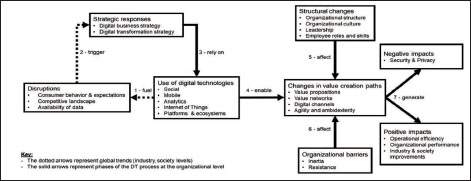
Digitalization (Mimani, 2022) has made a significant impression on small businesses and shops. Demonetization, which occurred in November 2016 and resulted in the overnight removal of about 86% of the currency, proved to be a watershed moment for digital payments. This paved the way to adapt digital payment methods around the country, which later became popular among the people due to its convenience (Figure 1). Companies like Paytm, Phone pe and Google Pay grabbed this opportunity with the introduction of UPI. From small Kirana stores to supermarkets, they are everywhere. Small shops and businesses allow their customer to pay online, thus inducing digital payments. In order to avoid fraud, small businesses keep a sound box which provides alerts on payment. At a cost of ?125 a month, they can avail of this sound box from any digital payment company. With an increase in digital payment, it paved the way for digital bookkeeping. Micro, small & medium enterprises are more dependent on digital bookkeeping rather than the traditional pen-and-paper method of accounting. The promptitude of an application is of significance when dispensing monetary statements for the commitment-building procedure of its consumers. By utilizing cell phone bookkeeping apps, bookkeepers can speedily generate monetary particulars. The quicker the refining of monetary statements for comprehensive details or independent detailing happens, the further the time needed to direct the accounting phase is minimized. The artificial intelligence bookkeeping should be thoroughly precise ahead of the monetary expressions that can be arranged (Rajput et al., 2022).
Figure 1. Building Blocks of DT Process (Vial, 2019).
Challenges to Combine Digital Transformation in Traditional Business Models
The concept of virtual transportation has garnered significant attention in recent years, emerging as a critical concern for traditional businesses and organizations. The widespread adoption of technological innovations across various industries has reshaped organizational behavior, market structures, and consumer attitudes. However, companies have encountered several challenges while integrating digital transformation into their business models.
One of the primary obstacles is the substantial financial investment required for digitalization. Additionally, a lack of awareness and understanding often hinders firms from fully leveraging digital opportunities, as many adopt ineffective strategies that fail to align with customer needs. Cybersecurity threats also pose significant risks to organizational assets, further complicating the transition. Moreover, as industries increasingly embrace digital transformation to enhance their business processes, competition has intensified considerably, driving companies to continuously innovate and adapt.
Survey (Consumers)
The primary data for our study was based on both rural and urban areas. We conducted a field survey by comparing the number of people living in rural and urban areas and how much are they familiar with the new emerging digital technology and how they are using it in their day-to-day activities while purchasing their day-to-day essentials. As per our survey, 65.7% are from urban areas and 34.3% belong to rural areas, thus providing a vivid picture of both the segments. The demographic distribution of the surveyed participants between urban and rural areas is presented in Figure 2.
In the survey, we found (Figure 3) that people are becoming familiar towards digital technology and are preferring to use these technologies. The emergence of new digital technology has made the lives of people easier than the previous traditional method of purchasing goods from nearby shops or markets. As per the data, 57.1% are very familiar, 27.1% are quite familiar, 10.0% are somewhat familiar, and the remaining 5.7% are not familiar at all.
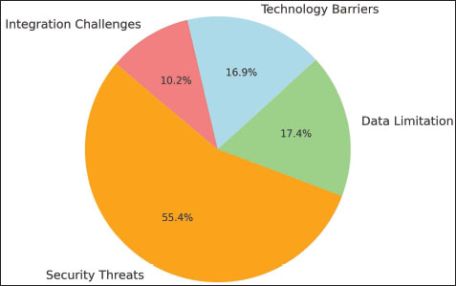
Furthermore, we analysed the challenges faced by the consumer (Figure 4). According to the statistics, 54.3% find security threats as a major challenge, while 17.1% think data limitation, 16.6% technology barriers, and 10.0% integration challenges.
Nowadays, consumers of rural as well as urban areas are using various online platforms for shopping and are regularly using online payment methods, which, as a result, played a massive role in increasing the sale of various goods because the digital platform has enhanced the wants of the consumers within the society.
Figure 2. People Living in Rural and Urban Areas.
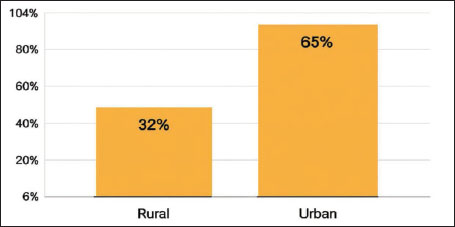
Figure 3. Familiar Towards Digital Technology.
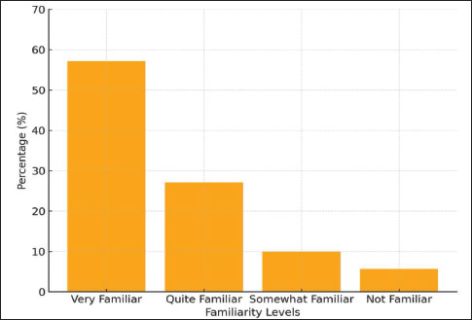
Figure 4. Challenges Faced by the Consumer.
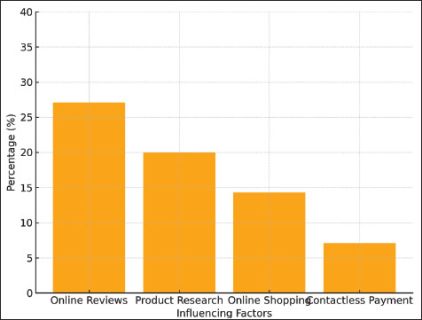
There are various factors which influenced shopping habits with the introduction of digitalization (Figure 5). As per the statistics, 27.1% people are using online reviews to shape their decisions, 20.0% people research products online before buying, 14.3% have increased reliance on online shopping, and 7.1% people are embracing contactless payment methods.
Figure 5. Factors Influencing Shopping Habits.
Survey (SMEs)
We have gathered primary data from different SMEs (Figure 6), with textile shops accounting for 33.3%, grocery shops 29.2%, hardware shops 16.7%, and real estate 12.5%.
There are various challenges faced by SMEs (Figure 7) in adapting to the current transformation, below given statistic provides a glimpse of challenges faced by different SMEs with majority 33.3% of small enterprises think that Employees are hesitant to embrace new technologies and processes, 25% firms are reluctant to rapid changes in the market and technology makes it difficult to keep up, 16.7% believe investing in new technology and training is too expensive, 12.5% think that they do not have necessary skills, while the remaining 12.5% have not encountered any significant challenges in adopting digital transformation.
Furthermore, when we inspected the impacts of digital transformation (Figure 8), we found that 41.7% have seen a significant increase in efficiency and productivity, 20.8% SMEs have enhanced decision-making, 16.7% believe it has improved customer experience, another 16.7% expanded reach and market access, while the remaining 4.2% have enhanced profit.
If we talk about the financial impact due to digital transformation (Figure 9) there is a drastic effect as the statistic shows, 41.3% enterprises experienced significant growth in sales and profitability since implementing digital transformation initiatives, 33.3% have effective digital marketing strategies have brought in new customers and increased customer loyalty, 20.8% think that automation of processes and the use of digital tools have resulted in significant cost savings, while a very slight percent of 4.2% firms believe to have no impact.
Figure 6. Different Business SMEs.

Figure 7. Challenges Faced by SMEs.
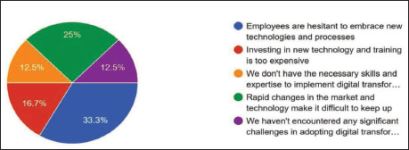
Figure 8. Impacts of Digital Transformation.

Figure 9. Financial Impact Due to Digital Transformation.

Conclusion
The findings of the study highlight how digitalization has a profoundly positive impact on both SMEs and customers. Consumers have adopted digital technology in a noticeable and widespread way; most of them are very familiar with online platforms and digital payment methods. Online reviews, product research, and contactless payment preferences are just a few of the variables that have affected consumers’ buying behaviors. These transformations are evidence of a larger shift in consumer behavior brought about by the ease and accessibility that digital platforms provide.
However, SMEs have a unique set of obstacles when it comes to accepting digital change. Barriers include employee reluctance, the rapid rate of technology advancements, and the perception of increased expenses related to implementing new technologies. Notwithstanding these obstacles, a sizable percentage of SMEs report benefits from digital transformation efforts. Significant results include increased productivity, better decision-making skills, better client experiences, a wider market reach, and more profitability.
The effect on SMEs’ finances is also remarkable, as many of them have seen notable increases in sales and profitability, which they attribute to the efficient utilization of digital marketing, process automation, and cost savings from digitalized technology and advancements. These results highlight how digitization may help SMEs successfully traverse the digital realm by addressing issues and fostering financial success.
All things considered, the research points to a paradigm change in traditional business environments. Digitalized transformation is a complete reorganization of how companies run, interact with customers, and make money. It goes beyond simple technology changes. The perception that effective digitalization adaption is a critical factor in determining competitiveness and sustainability in the modern business environment is supported by insights from both customers and SMEs.
Declaration of Conflicting Interests
The authors declared no potential conflicts of interest with respect to the research, authorship, and/or publication of this article.
Funding
The authors received no financial support for the research, authorship, and/or publication of this article.
Deloitte. (2017). Disruptions in retail through digital transformation. https://www2.deloitte.com/content/dam/Deloitte/in/Documents/CIP/in-cip-disruptions-in-retail-noexp.pdf
Egfjord, K. F. H., & Sund, K. J. (2020). Do you see what I see? How differing perceptions of the environment can hinder radical business model innovation. Technological Forecasting and Social Change, 150, 119787.
Fletcher, G., & Griffiths, M. (2020). Digital transformation during a lockdown. International Journal of Information Management, 55(5), 102185.
Hasenpusch, T. C., & Baumann, S. (2017). Strategic media venturing: Corporate venture capital approaches of TIME incumbents. International Journal of Media Management, 19(1), 77–100.
Leih, S., Linden, G., & Teece, D. J. (2020). Business model innovation and organizational design: A dynamic capabilities perspective. In N. J. Foss & T. Saebi (Eds.), Business model innovation: The organizational dimension (1st ed.). Oxford University Press.
Li, F. (2020). Leading digital transformation: Three emerging approaches for managing the transition. International Journal of Operations & Production Management, 40(6), 809–817.
Marr, B. (2023, November 3). The impact of digital transformation on business models: Opportunities and challenges. LinkedIn. https://www.linkedin.com/pulse/impact-digital-transformation-business-models-challenges-bernard-marr-kl4re/
Mimani, A. (2022, August 28). Digitisation of small and medium-sized businesses in India. The Times of India. https://timesofindia.indiatimes.com/blogs/voices/digitisation-of-small-and-medium-sized-businesses-in-india/
Rajput, A., Prasad, G., & Tailor, R. K. (2022). An impact of digital accounting on small and medium enterprises in India. Journal of Management Research & Analysis, 9(3), 177–181.
Snihur, Y., & Wiklund, J. (2019). Searching for innovation: Product, process, and business model innovations and search behavior in established firms. Long Range Planning, 52(3), 305–325.
Sohl, T., Vroom, G., & Fitza, M. A. (2020). How much does business model matter for firm performance? A variance decomposition analysis. Academy of Management Discoveries, 6(1), 1–27.
Svahn, F., Mathiassen, L., & Lindgren, R. (2017). Embracing digital innovation in incumbent firms: How Volvo Cars managed competing concerns. MIS Quarterly, 41(1), 239–253.
Teece, D. J. (2007). Explicating dynamic capabilities: The nature and microfoundations of (sustainable) enterprise performance. Strategic Management Journal, 28, 1319–1350.
Vial, G. (2019). Understanding digital transformation: A review and a research agenda. The Journal of Strategic Information Systems, 28. https://doi.org/10.1016/j.jsis.2019.01.003
Williams, T. A., Gruber, D. A., Sutcliffe, K. M., Shepherd, D. A., & Zhao, E. Y. (2017). Organizational response to adversity: Fusing crisis management and resilience research streams. Academy of Management Annals, 11(2), 733–769.
