Gyan Management


Poonam Tarpial1 
1Department of Communication Skills II, School of Computer Science and Engineering, Lovely Professional University, Phagwara, Punjab, India

Creative Commons Non Commercial CC BY-NC: This article is distributed under the terms of the Creative Commons Attribution-NonCommercial 4.0 License (http://www.creativecommons.org/licenses/by-nc/4.0/) which permits non-Commercial use, reproduction and distribution of the work without further permission provided the original work is attributed.
Generative Artificial Intelligence (GenAI) tools like ChatGPT, Claude, Gemini, and Copilot are changing how students learn at Indian universities. They let teachers customize lessons for each student, encourage creativity, and let students learn at their own pace and on their own schedule. However, this rapid integration also brings up issues with academic honesty, creativity, reliance on AI, and moral use.
This research article analyzes the influence of GenAI on student learning and academic achievement within the Indian higher education framework, grounded in the philosophical and pedagogical principles of Indian Knowledge Systems (IKS). The research used a quantitative methodology, gathering survey responses from 150 undergraduate and postgraduate students from several fields and 11 faculty members. The results indicate that 93% of students believe GenAI technologies enhance their comprehension of topics; nevertheless, 63% also report a decline in their own problem-solving skills. 82% of faculty members are also worried about plagiarism, 82% are worried about students being too reliant on others, and 57% are worried about students’ writing skills getting poorer. But all sides believe that GenAI may make things better by making adaptive assessments, AI-assisted experiential learning (Piaget, 1972), and more personalized blended training conceivable.
The study indicates a regulatory framework in accordance with IKS that emphasizes AI literacy, ethical norms, institutional regulations, and value-oriented behaviors to ensure responsible and equitable AI usage. The larger impacts on NEP 2020, UGC regulatory norms, curricular changes, and teacher training programs are also examined.
Generative AI, student learning, academic performance, Indian Knowledge Systems, pedagogical innovation, NEP 2020, higher education regulation
Introduction
Generative Artificial Intelligence (GenAI) technologies such as ChatGPT, Gemini, and Microsoft Copilot have swiftly revolutionized higher education in India. These technologies assist pupils in making, summarizing, coding, solving problems, and thinking creatively right away, which makes people think about how they affect academic behavior, performance, inventiveness, and morals. GenAI expands learning beyond rote techniques, although it also presents challenges regarding academic honesty, reliance, and diminishing autonomy (Zawacki-Richter et al., 2019). This research investigates GenAI’s influence on student learning and teacher viewpoints, concentrating on how Indian Knowledge Systems (IKS) (sv?dhy?ya, dharma, viveka, and anush?sana) might encourage responsible use; it supports a regulatory framework that is in line with IKS that encourages AI knowledge, ethics, changes in legislation, and cultural values (Rangan & Nagaraj, 2022). Even though GenAI’s impact is unknown, it is becoming more popular. The rules are shifting. This study examines student utilization and educational outcomes. and governance needed to close these gaps.
Background
GenAI is a term that describes large language models (LLMs) that have the ability to make different kinds of content, including text, pictures, music, video, or code, by looking at and learning from large volumes of data. One thing that sets GenAI apart from regular AI is that AI tools are unique because the outcome they produce is based on the inputs they get (Hill, 2023). These models produce a variety of outputs, such as text production and chat (ChatGPT), making images (Gemini), and suggesting code GitHub Copilot) and chatbots (Michel-Villarreal et al., 2023). The rapid adoption of these tools in India has exceeded official policy replies. More and more students in higher education are using GenAI for homework, studying for tests, coding activities, coming up with project ideas, and making things clearer. The new literature shows that there are both good and bad good and bad results associated with its usage. Studies shows that it simplifies the learning process (Helen et al., 2023) thereby enhancing learning experiences.
The Rise and Growth of GenAI
Engagement is a crucial aspect of the educational process.
GenAI is a kind of machine learning that can create text, images, code, sound, or answers. Higher education organizations can utilize it for tasks like assistance with writing, producing materials, translating, and tutoring, as well as aid with programming and building personalized learning routes. International literature refers to GenAI as a “catalyst for transformative learning” (Holmes et al., 2019), but it also says that it is a “risk to academic integrity” (Cotton et al., 2023). These tools have been implemented in India considerably faster than the official policy answers. More and more college students are utilizing GenAI for:
The latest research reveals that there are both good and harmful outcomes. Studies show that pupils understand things better, their writing is better (Mishra, 2023), and they are better at learning, and they are better at figuring out coding difficulties. Worries that are bad include becoming addicted, acquiring wrong information, and taking shortcuts that are not right.
How Indian Students Learn
Students in India regularly study for tests and rely on rote memorization.
When studying for tests, people often rely on memory. GenAI goes against these rules by giving:
This helps things run more smoothly, but it makes deep learning less useful. Mohan and Rajan (2024) discovered that regarding AI, Indian pupils have greater likelihood to use it to get things done instead of understanding.
Problems with Academic Integrity
The issues discussed in the literature from around the world include:
The standard ways of testing in India, which rely heavily on written tasks and homework have long been a source of frustration for professors and a lot of pain.
Learning About India’s Knowledge Systems
IKS is an important aspect of NEP 2020. Some of its key ideas are:
These provide a conceptual foundation for regulating GenAI usage and values. This study fulfills a critical research gap by investigating the limited research that links IKS to AI.
A Basic Theory
The study employs three integrated frameworks:
Indian Knowledge Systems
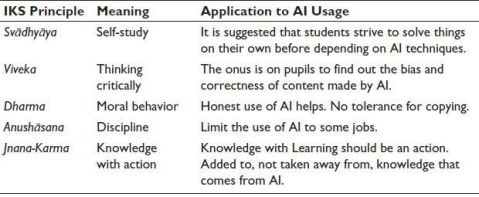
Source: Bhaktivedanta (1983).
This kind of thinking encourages people to see AI as a “tool” instead of a “teacher” for real learning.
The Constructivist Theory in Education
Constructivist Learning Theory—how students actively build knowledge through inquiry, reflection, and interaction—is relevant to GenAI integration in college. GenAI technologies can help with asking questions, seeing things, personalized learning inside Vygotsky’s Zone of Proximal Development. Constructivism, on the other hand, says that relying too much on AI could hurt critical thinking and real problem-solving. Encourage people to communicate with each other more than relying on passive methods to connect GenAI use with constructivist principles (Bruner, 1996).
AI Teaching Using TPACK and SAMR
TPACK and SAMR offer alternative frameworks for significant, ethical, and contextually based GenAI integration into education. Works well according to the AI-enabled teaching is more than just being good with technology. The TPACK paradigm places a strong emphasis on content knowledge (CK), pedagogical knowledge (PK) and technology knowledge (TK). Teachers need to know how GenAI products help students learn and teach in different subjects (Koehler & Mishra, 2009).
The SAMR model highlights how AI can revolutionize the way people learn (Puentedura, 2014). AI changes tools during Substitution but makes them better at Augmentation. Customization of learning activity redesign is possible with adaptive assessments and interactive inquiry. With AI, you can make simulations and get input in real time from multiple sources. redefinition. SAMR indicates that AI improves education when it changes rather than replacing. TPACK shows what teachers need to know about AI, while SAMR shows what AI can do to transform the learning process.
Current Study and Its Reasons
The swift adoption of GenAI by Indian students necessitates prompt empirical investigation and explanation. Few studies integrate GenAI, student performance, academic perspectives, IKS ideals, and regulatory frameworks.
It addresses that gap by looking at Indian higher education in a lot of different ways by employing quantitative methods.
Aim and Research Questions
Goal
To examine the impact of GenAI on student learning and academic performance, success in Indian higher education, and to suggest an IKS-alignedframework for the appropriate use and control of AI.
Research Questions (RQs)
RQ1: How do Indian students utilize GenAI techniques for educational purposes?
RQ2: How does using GenAI affect how well students understand, accomplish their work, and improve their skills?
RQ3: What worries do faculty members have about Academic Integrity and Dependence on AI?
RQ4: How can the concepts of IKS help people use AI in a responsible and moral way?
RQ5: What rules should Indian institutions follow to keep things fair, creative and honest?
Research Methodology
Research Design
The current research investigates the evolving importance of Generative Tools for artificial intelligence (GenAI), such as ChatGPT, Gemini, and GitHub Copilot, and how they are changing the way in students study involvement and performance. But past studies have mostly examined AI in education from the perspectives of automation, adaptability, and predictive analytics. This work focuses on how students are actually employing AI content-generation models in their academic life and their effect on learning and performance through the IKS perspective.
Quantitative survey data were utilized to assess the efficacy of GenAI tools by conducting research on how it affects different parts of student learning through a diverse collection of undergraduate and graduate students. By presenting a data-driven analysis of the integration of GenAI products into students’ academic routines, this study seeks to educate educators, legislators, and technology professionals. Developers should also learn about the best approaches to use AI in education, as well as the hazards and responsible use of AI.
Participants
To determine how GenAI affects learning and performance, 150 students and 11 faculty members were polled using structured quantitative approaches, including online questionnaires. Data included demographics, AI, ethics, and perceptions. A quantitative approach with simple random sampling and descriptive analysis provided equal participation and useful results.
Procedures
The students were requested to complete an online survey comprising 20 questions, and parallel to that, the faculty were requested to complete the survey with a different questionnaire designed consisting of 26 questions. Prior consent was taken from both participants, ensuring research ethics and integrity. A Likert scale was used to understand the extent of influence on learning and performance
Instruments
In quantitative research, questionnaires are often the go-to choice, especially in descriptive survey studies (Borg & Gall, 1983). There are several benefits to using questionnaires: they can easily reach a large audience, save time, are relatively straightforward to analyze, and provide quantifiable responses.
Analysis
To achieve the research objectives, the participants, including students and teachers, were surveyed using a Google Form, and the responses collected were subjected to quantitative analysis. The data collected with the survey method is always objective and numerical in nature, and therefore, a quantitative data analysis method is used to analyze this type of data. The method of quantitative data analysis helps to get accurate and reliable data results using proper data analytics techniques. To analyze the collected data with the survey method, the graphical data representation is used for a descriptive analysis.
For the purpose of graphical data analysis, the figures are developed in the form of bar charts and pie charts. This method is effective because it allows for better presentation and comparison of the data, thereby helping the research audience understand the purpose of the research. The research study has developed bar charts in MS Excel. The data is interpreted and analyzed by percentage, with the analysis of each survey item based on the majority of responses. Likert items are used to measure respondents’ attitudes to a particular question or statement.
Results
Data analysis is all about using statistical and logical techniques in a systematic way to describe, illustrate, condense, and evaluate data.
The results obtained from the survey conducted among students and the faculty were studied separately, and the variables were analyzed to understand the influence of every variable from the students’ and the faculty’s perspectives. A thorough examination was conducted to understand its impact.
The graphical analysis below shows the survey data analysis in detail.
Survey Data Analysis
A total of 150 students across varied streams participated in the survey, and the data was collected across categories including: Familiarity with AI tools, Impact of GenAI on learning and performance, Usage of GAI in academics and Ethical and academic integrity.
Familiarity with GenAI Tools
Knowledge About GAI
The results, as per Figure 1, show that almost all the students across varied domains knew the GAI tools being used in academics, for example, ChatGPT, Copilot, Gemini, etc. Thus, none of the students in any stream showed a variance in terms of knowledge. This also depicts that students are pretty tech savvy in terms of knowledge about these tools.
Figure 1. Count of Do You Have the Knowledge of Generative AI Tools (e.g., ChatGPT, Copilot, Gemini)?
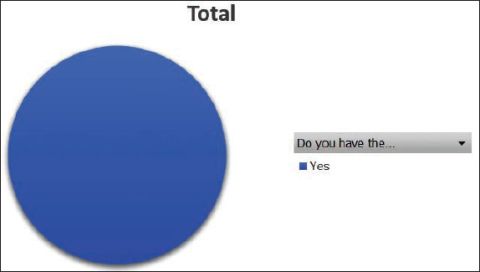
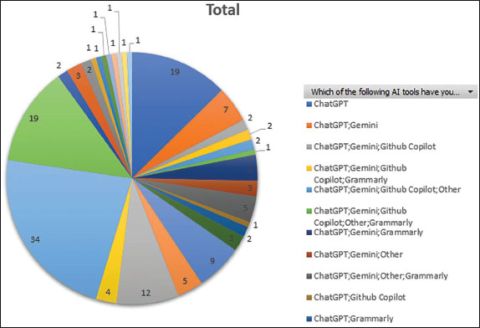
Figure 2. Count of Which of the Following AI Tools Have You Worked Upon? (Select All That Apply).
Types of GAI Tools Used
Diving deep into the usage of GenAI, it was found as per Figure 2 that 23% of the students used CoPilot, Grammarly, Gemini, GitHub, ChatGPT and other GAI tools available in lieu of academics. Thus, students had integrated these tools into their academics for ready reference.
Frequency of GAI Tools Usage
As per Figure 3, it was found that 85% of the students use GAI tools on a daily basis, followed by 13% weekly, and only a minimal 2% are the ones who rarely use them. Thus, students have integrated GAI tools as a part of their daily routine.
Impact on Learning and Performance
Improvement in Understanding by Usage of GAI Tools
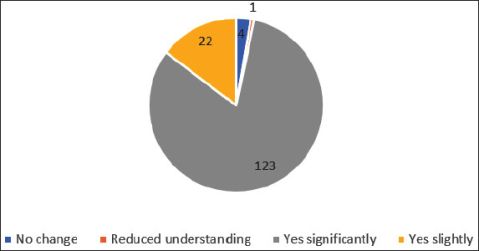
It can be deduced as per the results obtained in Figure 4 that 82% of the students believe that GAI tools have significantly helped them in understanding the concept more easily. Thus, has supported them in the learning process.
Figure 3. Count of How Often Do You Use Generative AI Tools?
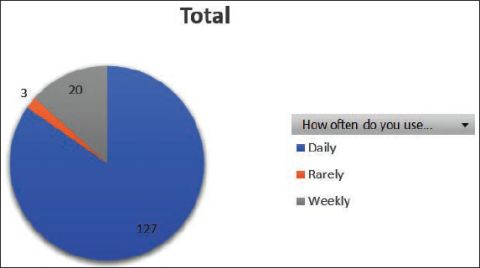
Figure 4. Count of Do You Think Usage of AI Tools Improved Your Understanding of Concepts?
Influence on Productivity with Usage of GAI Tools
It is quite imperative, after analyzing the data received in Figure 5, that 53% of the students strongly agree, followed by 40% who agree, that GAI tools have made them more productive in learning by breaking the information into smaller bits.
Aiding in Independence of Learning
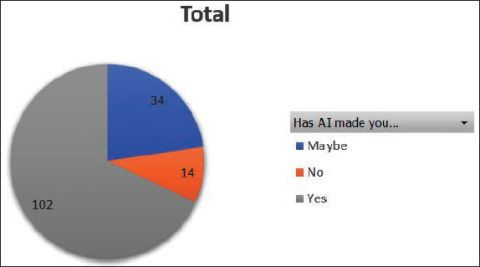
The inference that can be drawn after analyzing the data obtained is revealed in Figure 6. That 68% of students believe that GAI has made them independent learners by making the information available more readily.
Figure 5. Count of Has Usage of AI Tools Made You More Productive in Your Learning?
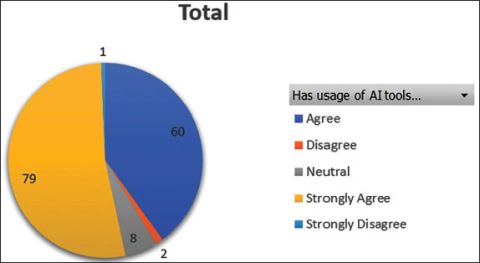
Figure 6. Count of Has AI Made You Independent in Learning?
Improved Performance in Academics
By carefully studying the data in Figure 7, it can be inferred that 45% of the students have strongly found GAI tools helpful in improving their performance due to the availability of content. However, 19% still believe that it did not add to their academic performance.
Stress to Match Pace with Peers
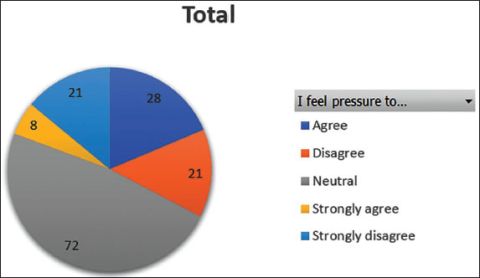
The data in Figure 8 showcases that 48% of students are neutral about feeling pressurized while handling GAI tools in order to match the pace with their peers in classes. However, 19% are still struggling to match the pace.
Figure 7. Count of Usage of Generative AI Has Improved My Performance in Academics.
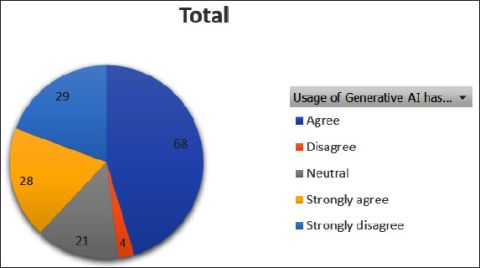
Figure 8. Count of I Feel Pressure to Use Generative AI to Match the Pace with My Peers.
Influence of GAI Tools on Quality of Work
After examining the data available in Figure 9, it can be stated that 82% of the students have been able to produce high-quality work with the effective implementation of GAI tools, thus enabling them to produce good-quality work.
Usage of Academics
No doubt, ever since the emergence of GAI tools, they have proved instrumental in helping the students with multiple tasks that can be accomplished with their effective utilization. The parameters below show categorization of GAI tools on the basis of the work they have been doing with the help of GAI tools.
Type of Work Done with GAI Tools
Studying the data available in Figure 10 displays that 22% of the students have been accomplishing multiple tasks with the help of GAI tools like Completing Assignments/Homework, For Research assistance; Coding/debugging/solving mathematical problem; Writing or summarizing the content; For Exam preparation; Content creation (presentations, blogs); Fun while exploring; Generating ideas; Brainstorming research topics and Translating text. This shows the multifaceted usage of GAI tools that can be integrated into.
Figure 9. Count of With Generative AI, I Am Able to Produce High-quality Work.
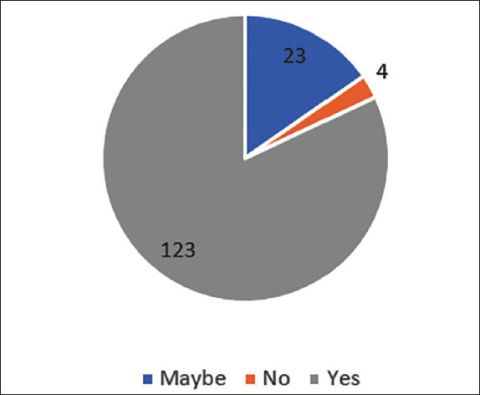
Figure 10. Count of What Do You Normally Use Generative AI Tools for? (Select All That Apply).

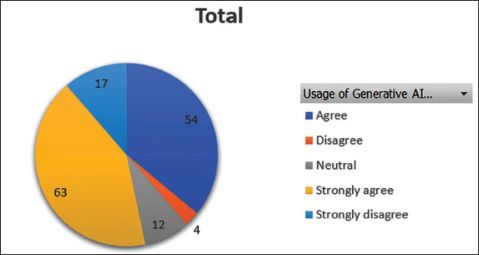
Figure 11. Count of Usage of Generative AI Saves My Time in Academics.
Time Saving with GAI Tools
After investigating the data in Figure 11, it can be suggested that 42% of students have acknowledged that imbibing GAI tools has saved time in finding information and also converting the data into ready-to-use information. However, 13% are still struggling with the time-saving factor. They still need to learn the ways to use the tools effectively.
Improvement of Academic Performance with GAI Tools
Analyzing the data available in Figure 12, it highlights that 57% of the students think that GAI tools have majorly enhanced their academic performance, with 36% being neutral and only a limited number of students representing 7% of the entire population, expressing no improvement.
Figure 12. Count of Do You Think That Generative AI Tools Have Improved Your Academic Performance?

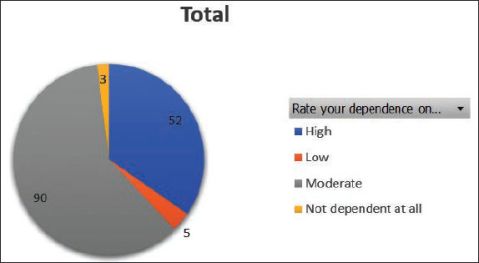
Figure 13. Count of Rate Your Dependence on Generative AI for Academics.
Dependence on GAI Tools for Academics
A careful analysis of Figure 13 indicates that 60% of the students have moderate dependence on the GAI tool, with only 35% being highly dependent. This reflects that students are still using their own creative skills for completion of the tasks and are not fully reliant on GAI tools.
Ethical and Academic Integrity
It is very important that the inclusion of GAI tools in academics is in compliance with integrity norms. Below are the survey highlights, which capture the data analysis for the same.
Submission of AI-generated Content Without Editing and Reviewing
A thorough inspection of the data available in Figure 14 emphasizes that an incredible number of students have been customizing the data before submission while using GAI tools as a reference mode. Despite that, we still have 29% of students who have been submitting plagiarized content, which is a worrisome concern.
Accessibility of GAI Tools in Exams and Assessments
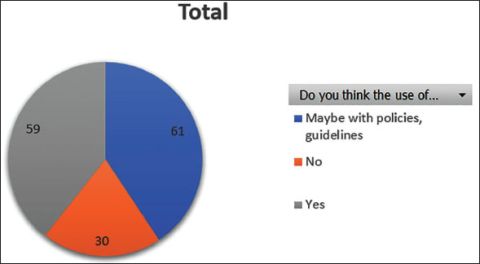
While examining the survey data, it was revealed, as per Figure 15, that 41% of students are of the opinion of inclusion of GAI tools in assessments and exams with certain guidelines. Thus, careful strategies should be devised for its usage so that the grading of the students should be authentic and genuine.
Figure 14. Count of Have You Ever Submitted AI-generated Content Without Editing or Reviewing?

Figure 15. Count of Do You Think the Use of Generative AI Should Be Allowed in Exams or Academic Activities?
Effect of GAI Tools on Critical Thinking and Creativity
It can be deduced after studying the details of the data in Figure 16 that, regardless of making GAI tools an inseparable part of academics, a notable a number of students, consisting of 63% of the population sample, do agree that over-reliance on GAI tools is hampering their creativity and critical thinking, thereby limiting their brainstorming before using GAI tools.
It has been noted that even in the suggestive remarks shared by the students, even while acknowledging the benefits of inclusion of GAI tools in terms of productivity, time saving and getting answers for unlimited questions from the AI tool. Still, they are feeling a downgrade in their own creative skill set. Somehow, they also feel that human brain usage is cornered with too much dominance and liberty given to these tools in their lives.
Perspective of Faculties About GAI Tools
This study also takes into consideration the overview and the perspective of the faculties about the integration of GAI tools in education. A rigorous in-depth survey was conducted in which 11 faculty members participated, and their views were taken on the awareness of students about GAI tools, their influence on students’ learning and performance, ethics and integrity concerns, future scope, followed by suggestive remarks. A detailed elaboration of every single category is discussed further.
Figure 16. Count of Do You Believe That Frequent Use of AI Can Affect Critical Thinking or Creativity?
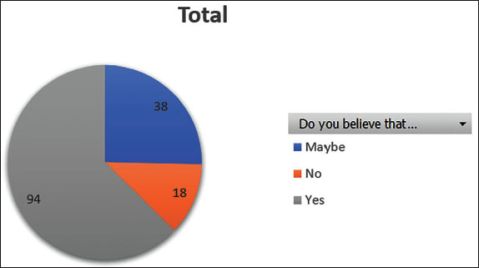
Figure 17. Count of To What Extent Students Use Generative AI.

Demographic Information
The demographic information collected from the faculty represented that faculty teaching all the domains like STEM, Business and economics, humanities and social sciences and arts and design. Also, these faculties had varied experience ranging from 1 year to more than 15 years. Additionally, the faculty have been training graduate and postgraduate students.
Awareness of Students About GAI Tools
It has been observed by the faculty that students are using GAI tools in academics to a significant amount, comprising 54% and to a moderate amount, 45%, as shown in Figure 17. Thus, it is admitted by faculties that students have made it an inseparable part of academics.
Types of GAI Tools Used by Students in Academics
After exploring the data received, the faculty have detected that the main GAI tool used by the students is ChatGPT, as can be seen in Figure 18, as it gives the liberty and the ease to generate a wide variety of content.
Reasons for Usage of GAI Tools by Students
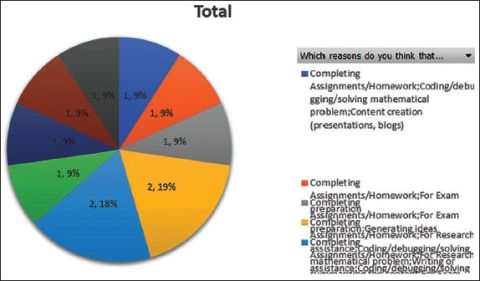
The prime reason which attributed to the usage of GAI tools by the students is almost for accessing it for completing every single work related to academics, like completing assignments/homework, for research assistance, coding/debugging/solving mathematical problems, writing or summarizing the content, for exam preparation, content creation (presentations, blogs); generating ideas, brainstorming research topics, as is quite evident from Figure 19.
Thus, the usage of GAI tools is not related to one thing, but rather any task allocated by the teachers can be supported by GAI tools.
Figure 18. Count of Which of the Generative AI Tools You Know That Students Use in Academics?
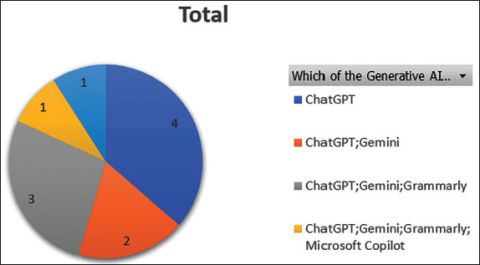
Figure 19. Count of Which Reasons Do You Think That Students Use.
Incorporation of GAI Tools by Teachers
Looking at the multi-aspect usage of GAI tools, there are various strategies devised by faculties by which they have incorporated GAI tools in the classrooms. Even though the faculties have devised multiple methodologies by tailoring their teaching in the classes, including amending the assignments to make it output oriented, rigorous evaluation of AI-generated content, incorporating it in written tasks and assignments, and collaborating with peers to produce fair results, the major proportion comprised taking professional development sessions about integrating it in education, as shown in Figure 20.
Figure 20. What Strategies Have You Incorporated in Using Generative AI in Your Teaching?
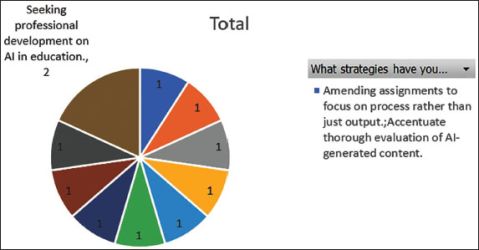
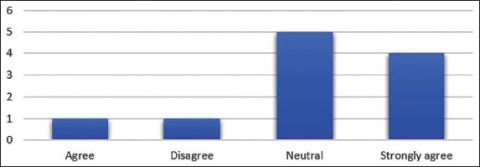
Figure 21. Generative AI Help Students Understand the Concept Faster.
Influence of GAI Tools on Students’ Learning and Performance
Being the frontman in training students about education, it becomes imperative to study and find out the effect it has on students’ learning and performance. Below are the factors that have been crucial in studying this parameter.
Enabling the Students to Understand the Concept Faster
After digging into the data analysis as per Figure 21, it can be culminated that faculty members have mixed opinions on whether GAI tools are really proving their metal and potential in making the concept easier to understand. No doubt, they have really proven themselves beneficial in the completion of the task, but understanding of the concept is still a challenge. GAI tools have aided students in faster completion of the tasks by simply referring to the answers delivered by them.
Overdependence of Students on GAI Tools for Learning
The information that can be derived after studying Figure 22 is that there is too much bent of the students on the usage of GAI tools in learning, which is affecting the cognitive and inherent trait of thinking in students. Thus, faculty strongly agree to the fact that, with the information available to them within a fraction of a second, they are restricting themselves from thinking and becoming habitual and reliant on GAI tools fully.
Figure 22. Students Are Becoming Overly Dependent on Generative AI for Learning.

Figure 23. Generative AI May Obstruct Students’ Creative Thinking?

Obstruction in Students’ Creative Thinking
After examining the result of the data in Figure 23, it can be deduced that, majorly, faculty strongly agree to the fact that too much usage of GAI tools will hinder the creative thought process of the students. They can use GAI tools for finding unique ideas without careful thought about the problem at hand. Thus, careful integration is needed to ensure that the students fit in solving real-world problems with the knowledge and understanding of the topic. As this can give them momentary happiness, however, deprive their resolution capabilities in the real world.
GAI Is Making Students Less Engaged
Well, to get an answer to this perspective, a careful inspection of Figure 24 shows that faculty are mostly neutral about making students more engaged with the help of GAI tools. No doubt the entire class can be engaged in the usage of GAI tools as a part of the assignment, but they work in their own silos, and the collaborative skills take a hit. Here, the learning of the students is at stake as they work toward the completion of the task rather than learning something.
Figure 24. Generative AI Is Making the Students Less Engaged in Academic Learning.
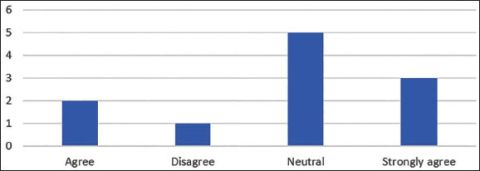
Figure 25. Generative AI Has a Negative Impact on Students’ Research Skills.

Impact of GAI Tools on Students’ Research Skills
It can be inferred after exploring the analysis of data available in Figure 25 that majorly faculties believe that the GAI tools have a negative impact on students’ research skills as they are only referring to one source, that is, the GAI platform for getting the information, thus, impacting the primary and secondary research methodologies. This is also restricting them from digging deep into the topic and the work that has been carried out on the topic. This is also impacting research integrity without giving due credit to the actual researchers. This is also delivering superficial information without actually studying hard to understand the topic.
Decline in Problem-solving Abilities of the Students
A thorough review of the data available in Figure 26 shows that faculty agree with this reduction in problem-solving abilities of the students with the usage of GAI tools. The major reason that can be attributed is the instant access and speedy delivery of the answer provided by GAI tools. Hence, wherever the students get stuck, they do not apply their learning to solve the problem; rather use these tools as a decoding platform. This is also keeping them away from learning and tackling various problems that they encounter in academics. This is also admitted by the students, as some of them have stated that it helps them in solving the code and the bug, wherever it becomes cumbersome for them to solve the task.
Figure 26. You Are Observing a Decline in Students’ Problem-solving Skills with Generative AI.

Figure 27. Generative AI Is Helping Students to Submit High-quality Work.

Submission of High-quality Work with GAI Tools
Another perspective of the faculty regarding the quality of work can be studied with the help of careful examination of Figure 27, which reveals that faculty are neutral regarding the submission of work, as in some of the cases, it is a repeated factor. It is evident that the assignment given to the students to check their understanding has a solution which is automatically solved. Another factor which is already explored above is that students are not using their creative thinking as a tool to replace the human brain.
Effect of GAI Tools on the Conceptual Clarity of the Students
It can be stated that the GAI tools are just like an answer key; the only difference is that in traditional books, the answer key was available toward the end of the chapter, but in the case of GAI tools, it is available on the spot and at one click, and one does not have to shuffle pages around. The same can be derived by studying the responses shared by faculty in Figure 28, as students submit the assignment without any hindrance and approach the faculty. The neutral response of the faculty clearly showcases that the conceptual clarity of the students cannot be gauged through the submission of assignments, because students are submitting the assignments.
Figure 28. Generative AI Is Posing a Problem in Actually Understanding the Conceptual Clarity of the Topic.
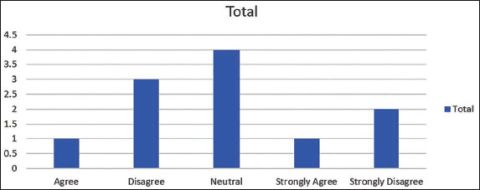
Figure 29. Generative AI Has Spiked Plagiarism Cases in Classes.
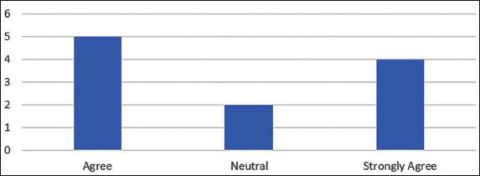
Figure 30. Generative AI Is Enabling Students to Perform Better in Assignments, but Lack Thorough Knowledge of the Subject/Topic.
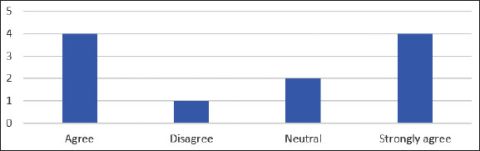
Surge in Plagiarism with the Usage of GAI Tools
Figure 29 clearly highlights that the faculty are finding a repetition of content in the submission of work by the students. This is due to the same usage of words, as GAI tools use the same words in a pattern in a sentence. This is also due to the fact that students save time in searching for content, as the solution is available at their convenience.
Students Performing Better in Assignments but Lacking Knowledge of the Topic
While reviewing the data available in Figure 30, it shows that faculty agree that students are able to perform better in assignments with the usage of GAI tools, but the knowledge about the topic is missing when it comes to the viva. It can be derived that GAI tools are impacting the learning of the students, as they are not using their subject expertise to complete the assignment, but rather depend on GAI tools.
Surge in Awards with the Usage of GAI Tools
A careful audit of Figure 31 shows that faculties are having mixed opinions about an increase in grades. This can be validated by the fact that wherever the practical assignments are involved, the students are able to solve by the liberty provided by GAI tools, but the theoretical subjects are getting a hit due to the repetitive content being shared.
Ethics and Integrity
Another aspect which needs introspection is the opinion of the faculty about the practice of ethics and integrity while using GAI tools. The following pointers share an elaborative explanation for the aforementioned pointers.
Equipment of Current Education Policy About Integration of GAI Tools
While scanning the results of the responses received, as shown in Figure 32, signifies that most of the faculty doubt the integration of GAI tools in current education, as they have shown it is not producing fair results, with students lacking in-depth conceptual clarity of the topic and the subjects. Faculty are speculative about the current education readiness for immersing the GAI tools.
Figure 31. Generative AI Is Leading to a Surge in Awarding Grades.
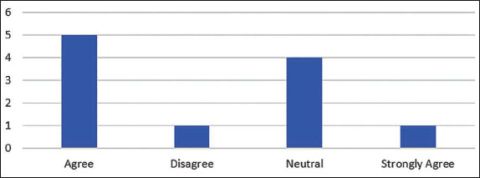
Figure 32. Do You Feel That Current Education Policy Is Equipped to Handle the Integration of Generative AI?
Customization of Teaching/Assessment with Inclusion of GAI Tools
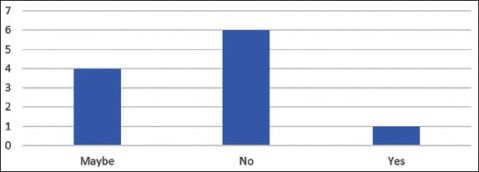
As a new technology, the availability of GAI tools cannot be ignored, as it is one of the most trending topics. However, as per Figure 33, it can be concluded that faculties have tweaked their assignments and teaching with emulsion of GAI tools, as it becomes quite important and vital to make them ready for the real world where GAI is a trend.
Future Scope
Since faculties play an important role in carving the students for tomorrow, it becomes essential to understand the future scope of GAI tools in learning and performance. Below are the parameters which were carefully studied to understand their impact in future.
Formal Integration of GAI Tools in Education
As already highlighted, GAI has been in trend ever since it was invented. Thus, after studying the details shown in Figure 34, it can be stated that, keeping aside all the negative consequences, the faculties do believe that it should be integrated formally in education, and its presence cannot be bypassed. The preparedness of students for tomorrow depends on the preparation of today. Thus, it becomes quite evident and important for the faculty that they have to imbibe it in the current education.
Figure 33. Have You Tailored Your Teaching/Assessment with Inclusion of Generative AI?
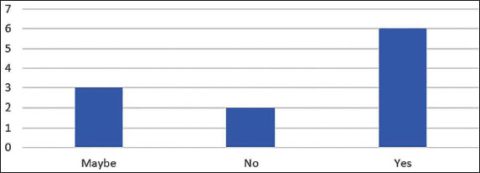
Figure 34. Do You Think That AI Should Be Integrated Formally in the Education Learning System?

Upskilling Modes for Integration of GAI Tools
Inspection of the responses received in Figure 35 shows that faculty believe that workshops should be conducted to make them ready for its usage and the ways it can be integrated in education. Workshops will also give them a clear overview of drawing a line on its careful usage in classrooms, and thus detecting plagiarism too, which can produce better results.
GAI Being a Co-teaching Tool
It can be derived by looking at the responses received by the faculty, as depicted in Figure 36, which shows that the faculty believes, in the near future, it will become a co-teaching tool. Some of the organizations have already started revising their syllabus with its integration in the syllabus, as its presence cannot be overlooked.
Figure 35. What Modes Can Upskill Your Delivery Through the Inclusion of Generative AI in Teaching?

Figure 36. Do You Believe That Near Generative AI Will Be a Co-teaching Tool?

Feedback and Suggestions Regarding Integration of GAI Tools in Academics
As per the suggestions shared by faculty, it has been found that GAI can be beneficial in making the concepts easier to understand. Also, it can be of help for introvert students as a source of learning medium. They do agree to the fact that it saves time while exploring for information, but they also acknowledge that the students lack knowledge about the topic. Hence, its overdependence has to be restricted. They also believe that there have to be well-drafted policies about its usage in academics (NEP, 2020).
Discussion
The result matches global studies but highlights India-specific issues: Exam-oriented culture leads to high reliance, lack of AI literacy, limited digital ethics training, and rapid adoption without institutional policy. IKS’s culturally rooted regulations balance innovation, discipline, and ethics.
Research Implications
Pedagogical Implications
Integration of GenAI in higher education has significant pedagogical consequences that require careful application. AI tools should promote student inquiry and comprehension, not replace it. Redesigned assessments should emphasize higher-order abilities like analysis, creativity, and problem-solving to reduce AI-driven shortcuts. Project-based learning should include guided AI use to help students apply information appropriately under teacher supervision. Reflective writing on AI use can also improve metacognition and ethical awareness, helping students critically assess their AI use and establish value-aligned learning habits.
IKS-aligned Regulation
Integrating GenAI into education must be guided by core principles derived from IKSs to ensure responsible and meaningful learning. Sv?dhy?ya encourages students to attempt tasks independently before seeking AI assistance (Srinivasan, 2021), while Dharma emphasizes ethical, honest usage. Viveka requires learners to critically verify AI-generated content, and Anush?sana promotes disciplined boundaries in frequency and purpose of use. To uphold these values, institutions should establish an AI usage honor code, require transparency statements in assignments documenting AI involvement, and implement AI-integrity training modules that build ethical awareness and reinforce responsible academic practices.
UGC/AICTE Policy Implications
UGC and All India Council for Technical Education (AICTE, 2021) must create forward-thinking policies to ensure responsible, equitable, and ethical use of GenAI in higher education (UGC, 2023). Maintaining integrity and consistency requires clear AI use standards in academic work. Students need an organized AI literacy curriculum to learn critical thinking, ethics, and technology. A national AI-integrity framework would standardize academic honesty and evaluation redesign. Comprehensive teacher training programs in AI-enabled pedagogy, monitoring, and responsible classroom application are also needed.
Future Scope
GenAI research in higher education must go beyond trends to address long-term pedagogical, cultural, and regulatory ramifications. AI use should be studied longitudinally to determine how it affects student learning, abilities, and academic integrity. Multilingual educational situations will be fairer and more authentic using Indian language AI identification techniques. Curriculum integration of AI can facilitate discipline-specific learning and responsible AI literacy. Comparative international studies will also assess India’s development, identify worldwide best practices, and contextualize AI governance approaches for varied educational ecosystems (Eaton, 2023; Hill, 2023; Kasneci et al., 2023). This study only included students and faculty, but the administrators view point was restricted.
Conclusions
GenAI can boost Indian higher education if integrated appropriately. This study shows that while student learning advantages are high, reliance, plagiarism, and crucial skill loss must be addressed. IKS principles provide a unique Indian approach to AI regulation that promotes cultural integrity, holistic growth, and ethics (Vygotsky, 1978). For effective and ethical learning, institutions need AI literacy, explicit regulations, and redesigned assessments.
Declaration of Conflicting Interests
The author declared no potential conflicts of interest with respect to the research, authorship, and/or publication of this article.
Funding
The author received no financial support for the research, authorship, and/or publication of this article.
ORCID iD
Poonam Tarpial https://orcid.org/0000-0002-7301-5719
All India Council for Technical Education (AICTE). (2021). AICTE Approval Process Handbook 2021–2022. https://www.aicte-india.org/
Bhaktivedanta, A. C. (1983). Bhagavad-gita as it is. Bhaktivedanta Book Trust.
Bruner, J. (1996). The culture of education. Harvard University Press.
Borg, W. R., & Gall, M. D. (1983). Educational research: An introduction (4th ed.). Longman.
Cotton, D. R. E., Cotton, P. A., & Shipway, J. R. (2023). Chatting and cheating: Ensuring academic integrity in the era of ChatGPT. Innovations in Education and Teaching International, 61(2), 228–239. https://doi.org/10.1080/14703297.2023.2190148
Eaton, S. E. (2023). Artificial intelligence and academic integrity: New challenges for higher education. Journal of Academic Ethics, 21(1), 45–62.
Helen, A., Martinez, R., & Osei, K. (2023). Mapping the research landscape of AI literacy and instructional innovation in higher education: A bibliometric study. Journal of Educational Technology & Innovation, 11(2), 45–67.
Hill, P. (2023). Academic integrity in the age of generative AI: Rethinking assessment. Educause Review, 58(3), 10–18.
Holmes, W., Bialik, M., & Fadel, C. (2019). Artificial intelligence in education: Promises and implications for teaching and learning. Center for Curriculum Redesign. https://curriculumredesign.org/wp-content/uploads/AIED-Book-Excerpt-CCR.pdf
Kasneci, E., Sessler, K., Küchemann, S., Bannert, M., Dementieva, D., Fischer, F., Gasser, U., Groh, G., Günnemann, S., Hüllermeier, E., Krusche, S., Kutyniok, G., Michaeli, T., Nerdel, C., Pfeffer, J., Poquet, O., Sailer, M., Schmidt, A., Seidel, T., … Kasneci, G. (2023). ChatGPT for good? On opportunities and challenges of large language models for education. Learning and Individual Differences, 103, 102274.
Koehler, M. J., & Mishra, P. (2009). What is technological pedagogical content knowledge (TPACK)? Contemporary Issues in Technology and Teacher Education, 9(1), 60–70.
Michel-Villarreal, R., Vilalta-Perdomo, E. L., Salinas-Navarro, D. E., Thierry-Aguilera, R., & Gerardou, F. S. (2023). Challenges and opportunities of generative AI for higher education as explained by ChatGPT. Education Sciences, 13(9), 856. https://doi.org/10.3390/educsci13090856
Mishra, S. (2023). Impact of AI writing tools on student performance. Indian Journal of Education.
National Education Policy. (2020). Ministry of Education, Government of India. https://www.education.gov.in/en/national-education-policy-2020
Piaget, J. (1972). The psychology of the child. Basic Books.
Puentedura, R. R. (2014). SAMR: A contextualized introduction. Ruben Puentedura Publications.
Rangan, V. K., & Nagaraj, R. (2022). Indian knowledge systems and their relevance for contemporary education. Journal of Indian Education, 48(2), 5–18.
Rajan, A., & Mohan, V. (2024). AI dependency trends among Indian learners. Asian Education Studies.
Srinivasan, S. (2021). Foundations of Indian knowledge systems. Routledge.
University Grants Commission. (2023). Guidelines for ethical use of artificial intelligence in higher education. Government of India. https://www.ugc.gov.in/nep/
Vygotsky, L. S. (1978). Mind in society: The development of higher psychological processes. Harvard University Press
Zawacki-Richter, O., Marín, V. I., Bond, M., & Gouverneur, F. (2019). Systematic review of research on artificial intelligence applications in higher education. International Journal of Educational Technology in Higher Education, 16(1), 1–27.
